
Tamron’s follow up to the widely successful 70-180 is due out in just a few days. Thanks to Ben at Tamron I was given the opportunity to spend a couple days with a full production model. Here are just a few of my thoughts.
As a whole, lens reviews have become somewhat boring. Lenses are consistently so good that it genuinely leaves little to actually review. In the case of the 70-180 G2 however, largely due to the success and popularity of the first edition, I was happy to put this new version through it’s paces. As you might expect the lens is light weight, very sharp, very fast focusing and comes in at a very respectable $1,300.00 US. So what can I tell you about this lens that you might not expect?
First let me get this out of the way. A lot of people will certainly wonder why 180 at the long end of the zoom range instead of the much more common 200mm. I can only guess it was a decision made to save on weight and size. What I do know is that losing that 20mm’s should not be a deal breaker. To put this in perspective have a look at the image below. The full image represents a shot at 180mm. The inter box represents the same shot from the same exact distance from the subject taken at 200mm. As you can see the difference between 180 and 200mm is negligible and with the resolution of todays modern cameras I would say it’s totally inconsequential.

As I stated earlier, modern lens design has gotten to the point where companies almost never produce bad lenses. So the question then becomes is a particular lens just good, or is it truly a stand out. When considering any zoom lens we must realize that we are already starting out with a compromise. We get multiple focal lengths in a single lens but it comes at a cost of loss of sharpness, increased chromatic aberration, less pleasing bokeh, more drastic vignetting and an increase in something called field curvature. As lens technology increased, the gap between prime lenses and zoom lenses regarding these negative characteristics closes. So the question becomes, how much has Tamron managed to close the gap with this particular zoom? Based on my couple days with this lens I would have to say they did an outstanding job.
For the purposes of keeping this review as brief as possible I wont go into great detail here but rather give a quick opinion on how the G2 performed with regard to the usual pitfalls zoom lenses face.
SHARPNESS: Don’t give it a second thought. This lens is plenty sharp. I shot this lens on my Sony A7RV. The 61 megapixels would expose any lack of sharpness of any lens, and the G2 passed with flying colors.

CHROMATIC ABBERATION: I shot in several lighting conditions and had no issues with purple or magenta fringing. Under normal shooting conditions and situations the CA is not an issue.
BOKEH: I actually thought the bokeh of the G1 was some of the best I’d seen from an f/2.8 zoom and this lens seems to have followed in that tradition. With specific regard to the highlight, or Hollywood bokeh you can take a look for yourself. There is some significant “cats eye” or football bokeh as you approach the edges of the frame but that is to be expected. I have yet to see any f/2.8 zoom that does not do this. There is also a small amount of contamination in the highlights themselves but again, the result is quite good for a 2.8 zoom. Very minimal soap bubble effect aka onion skinning.


VIGNETTING: Not much to report with regards to vignetting. At the 70mm end of the zoom range even wide open the vignetting is almost non existent. At 180mm the vignetting is a little more prominent wide open but still very manageable.
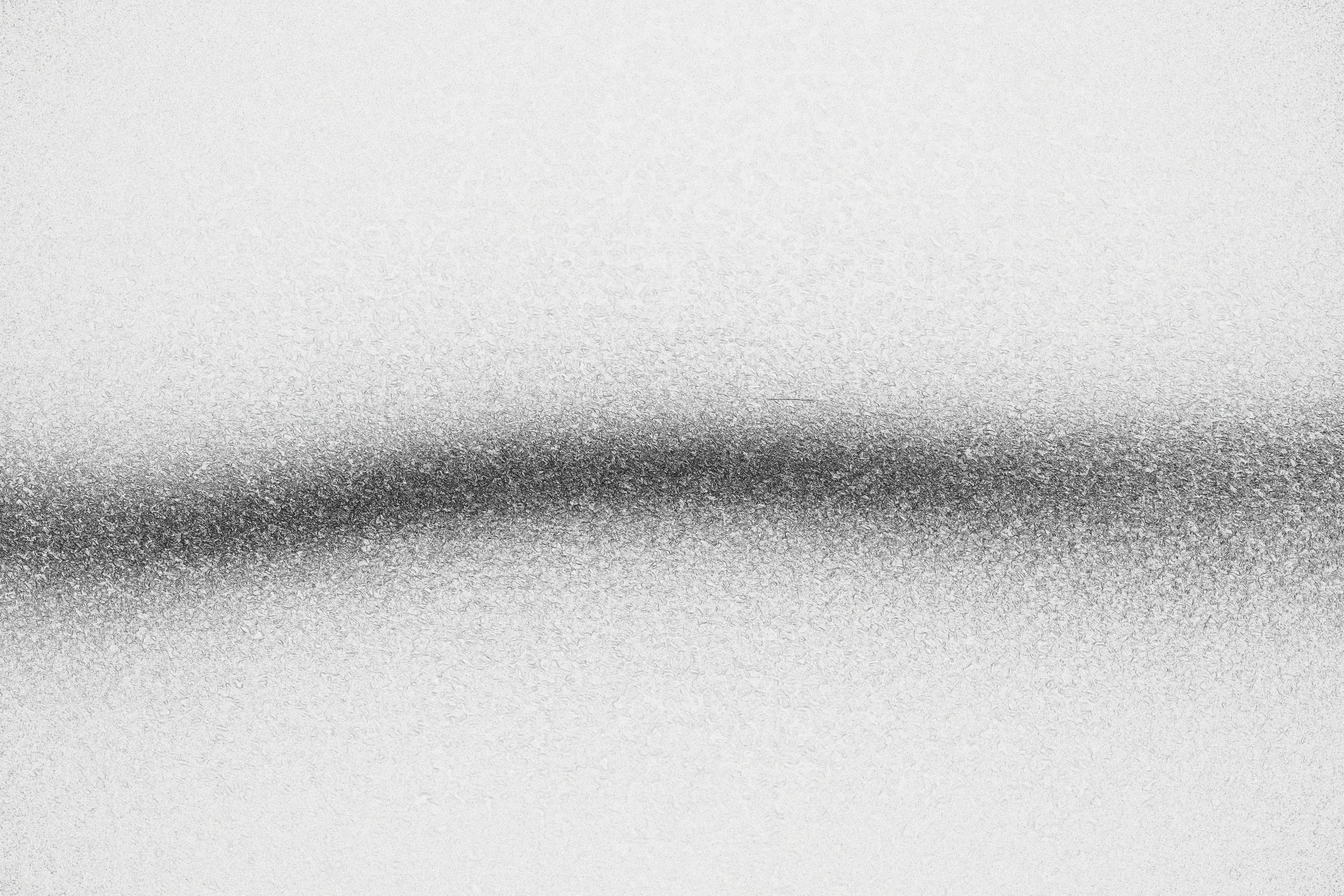
FIELD CURVITURE: Field curvature is a byproduct of how lens elements and their configuration must bend light in order for it to land properly on the sensor. This could be the topic of an entire blog by itself so I will try and keep this as simple as possible. In a perfect lens the focal plane would exhibit zero curvature. This is not possible with current lens technology at least not at the commercial level. Until lens technology advances or we start to see curved sensors the best we can hope for is for a lens to have mild field curvature. Not to sound like a broken record but once again, especially for an f/2.8 zoom the G2 does really well in this regard. Most images are so cluttered that you would never be able to reasonably gauge the degree of field curvature a lens exhibits so I made it easier to recognize with the below images. The first image was shot with a zoom lens which I will not name due to it’s fairly drastic field curvature. Suffice it to say that it is not a cheap lens and is fairly representative of what you would expect to see from a typical zoom lens. The dark area represents the focal plane. As you can see there is significant curvature. What this means is that as you approach the sides of your composition the focal point drifts further and further away. In this case, to the toon of a few inches at a distance of about 6 feet.

Now compare this with the following images taken with the G2. The first at 70mm and the second at 180. For those of you who may not be familiar with such a test, this is a very good result for an f/2.8 zoom. Also note the thicker band of the image taken at 70mm which you would expect considering the relative depth of field of each focal length with all other aspects being constant.

In conclusion: Currently, for the Sony E-mount, I don’t think there is a better zoom of this range out there for the money. The Sony GM2 is optically superior but at more than double the cost; $1,300 vs $2,800. The only thing that comes close in value for performance is the previous version of this same lens; the G1 if you will. However I think there are enough upgrades to make this lens the better deal. This includes the upgradeability via the USB-C port as well as slightly faster AF speed and accuracy as well as the inclusion of vibration control.
Note: At the time of writing the E-mount is the only mount this lens is available for.

 Action Camera Blog
Leave a comment